Tin Can Lantern Ideas for Every Style
I never expected a recycled food tin to become a source of genuine creative excitement, yet here we are — and I want to show you exactly why.
Try a Tutorial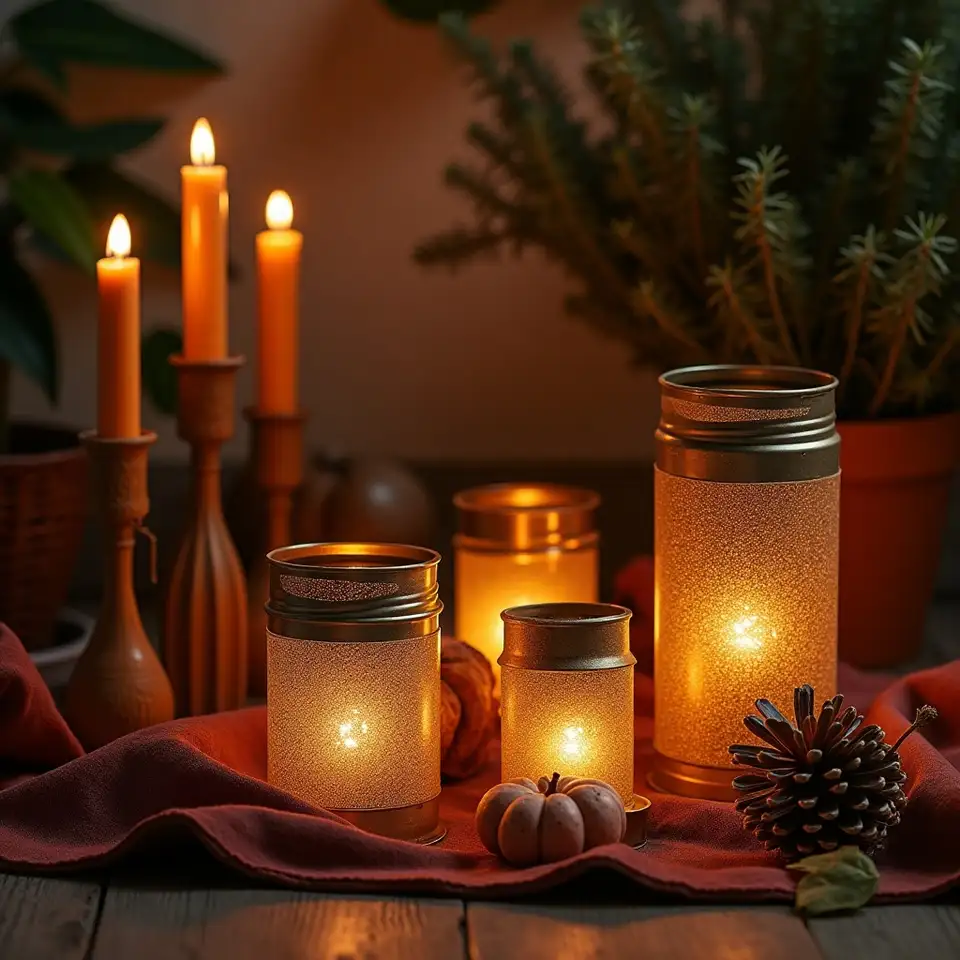
- Garden and outdoor styles
- Indoor and table settings
- Holiday and seasonal designs
- Rustic and modern aesthetics
- Community-made projects
A Gallery of Glowing Tin Can Lanterns
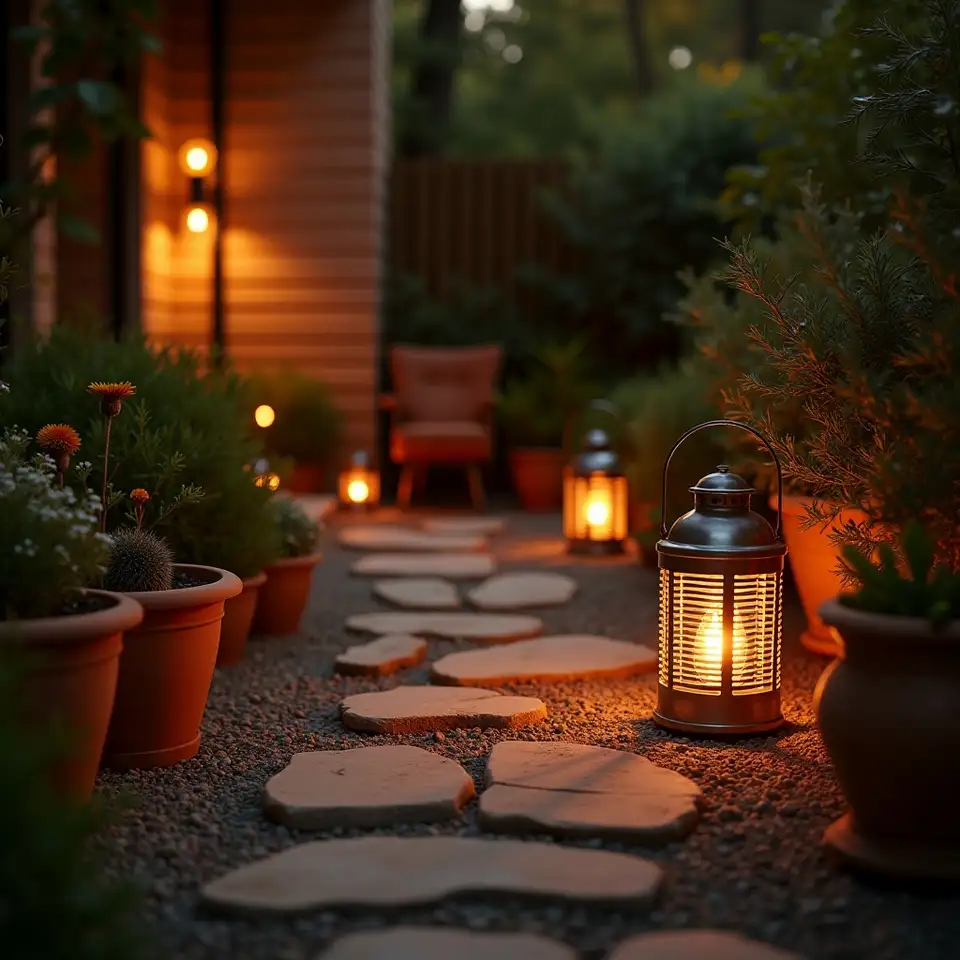
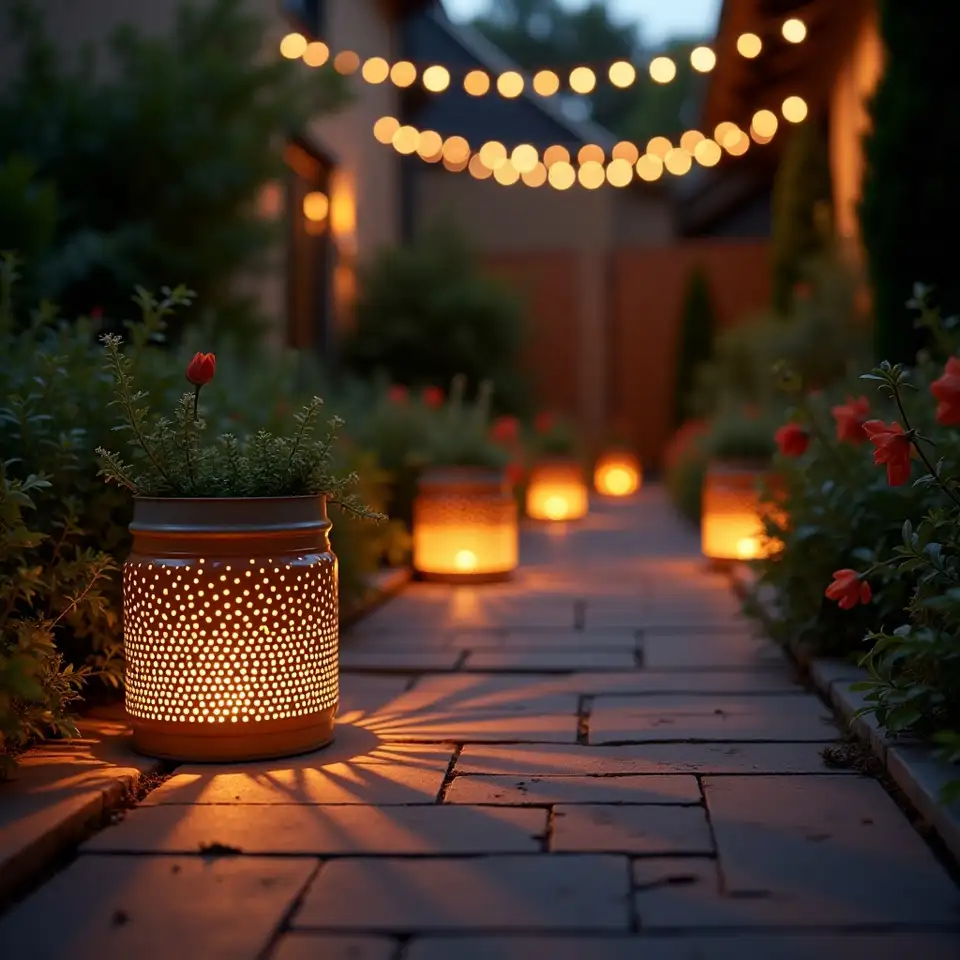
Garden Lanterns at Dusk
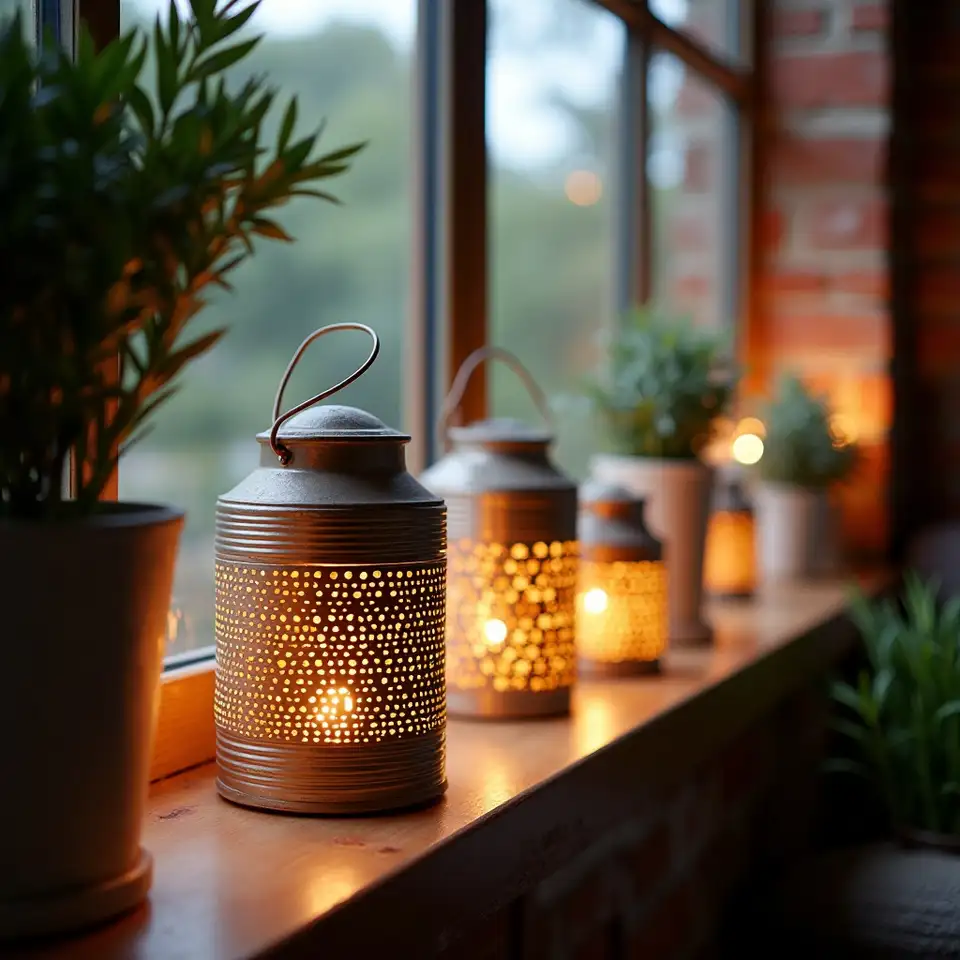
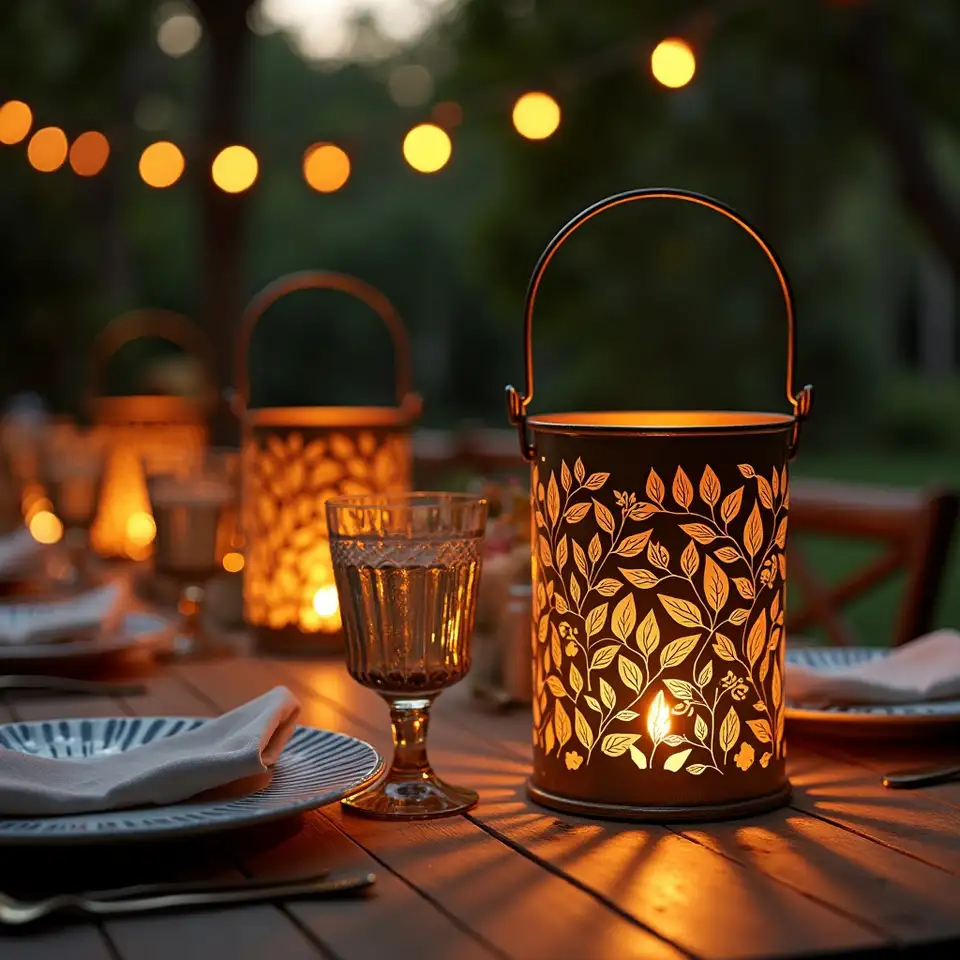
There is something quietly magical about a row of punched tin can lanterns lining a garden path just after dark. These garden designs use wide-spaced dot patterns that cast generous pools of warm light without overwhelming the surrounding plants. I find the effect is best when lanterns sit at varying heights — some on the ground, some elevated on upturned terracotta pots — so the light layers rather than floods. The cans used here were standard tomato tins, finished with a clear weatherproof lacquer to slow rusting through the Australian summer.
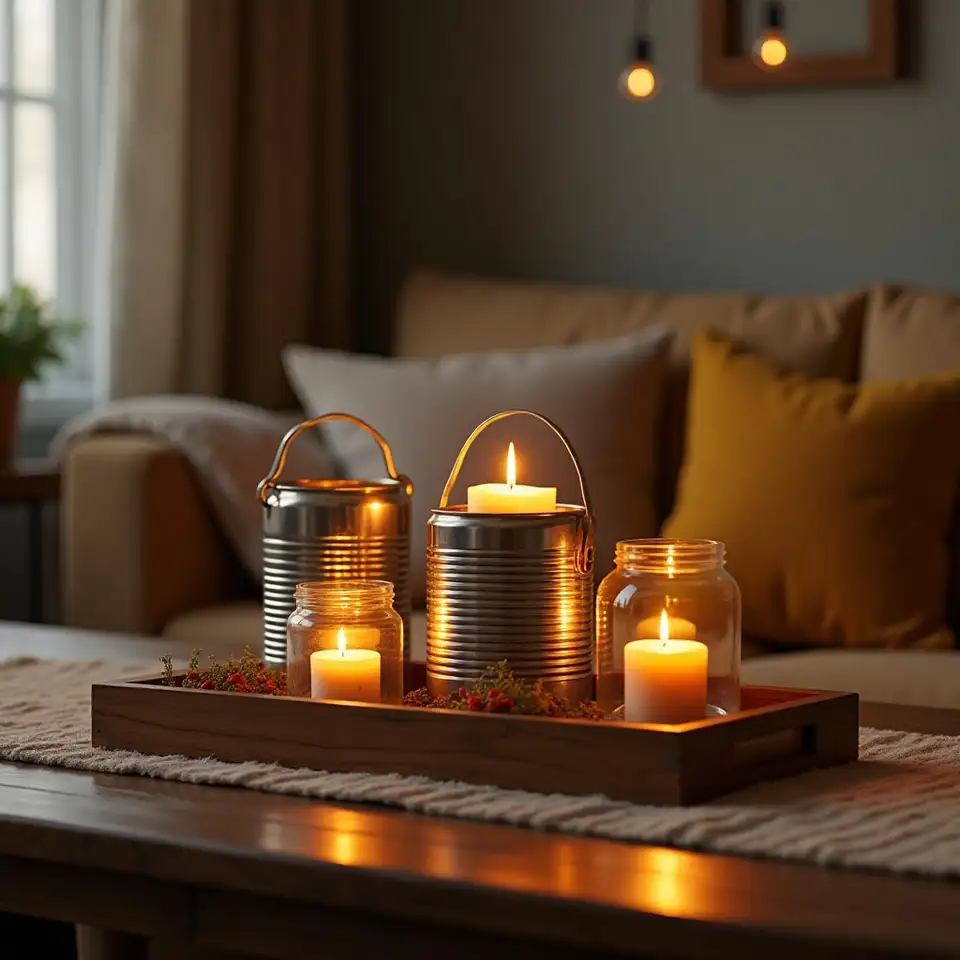
Indoor Table Centrepiece Arrangements
Grouping three cans of different heights transforms a simple punching project into something that looks deliberately composed. These indoor arrangements use complementary patterns — a fine dot grid on the tallest can, a diagonal stripe on the medium, and a simple circle repeat on the shortest — so that when all three are lit together, the overlapping projections on the wall behind them create an effect neither pattern could achieve alone. The cans are placed on a small timber tray to catch any wax drips and to make repositioning easy without disturbing the grouping.
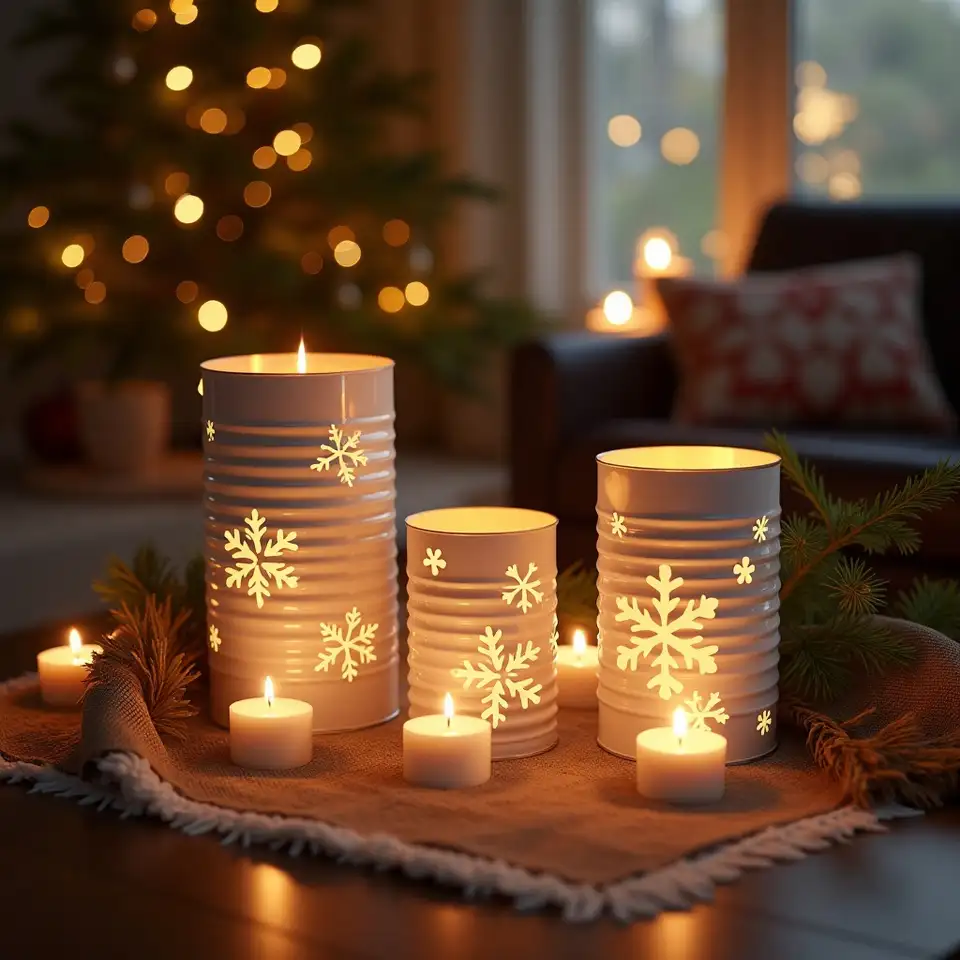
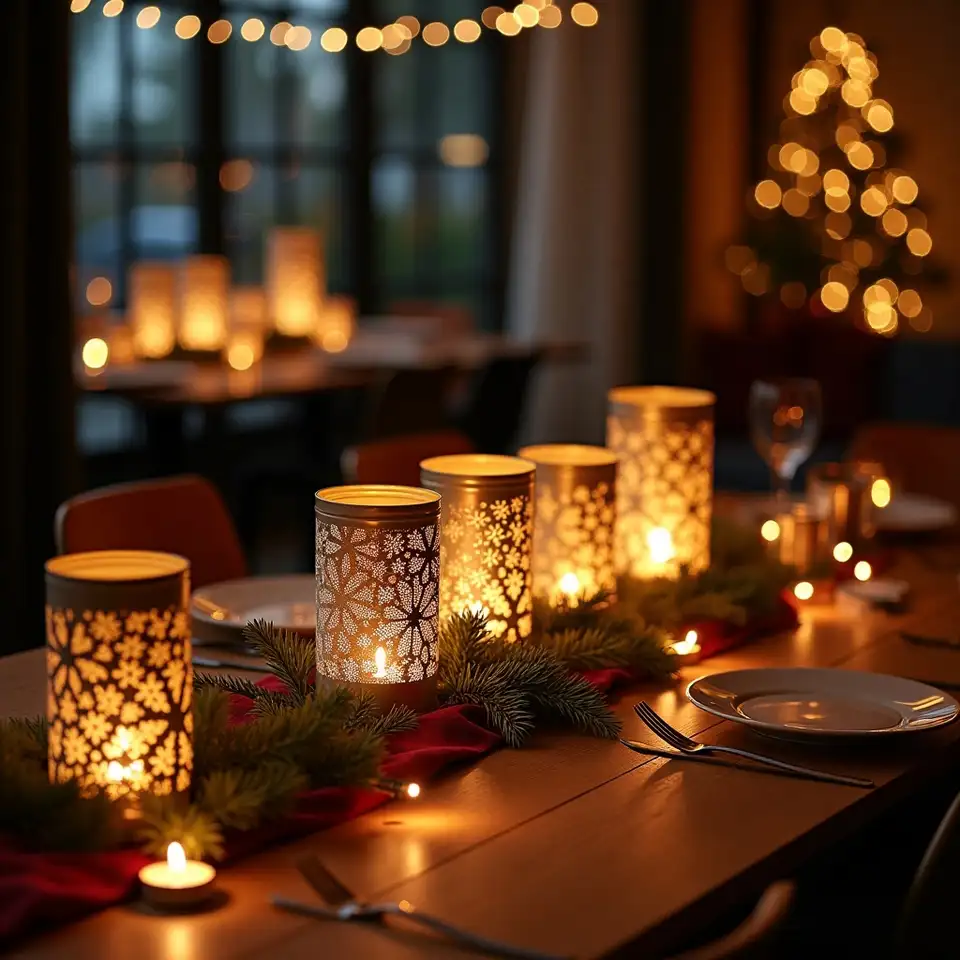
Holiday Star and Snowflake Patterns
The holiday collection leans into geometric precision — six-pointed stars, interlocking snowflake repeats, and radiating burst patterns that project dramatic shapes across a ceiling when lit from below. These are not the most forgiving designs for absolute beginners, but the templates on the patterns page remove most of the difficulty by spacing the holes precisely so you only need to follow the dots. Painted in matte white or left raw and lacquered, these cans suit both contemporary and traditional holiday table settings with equal ease.
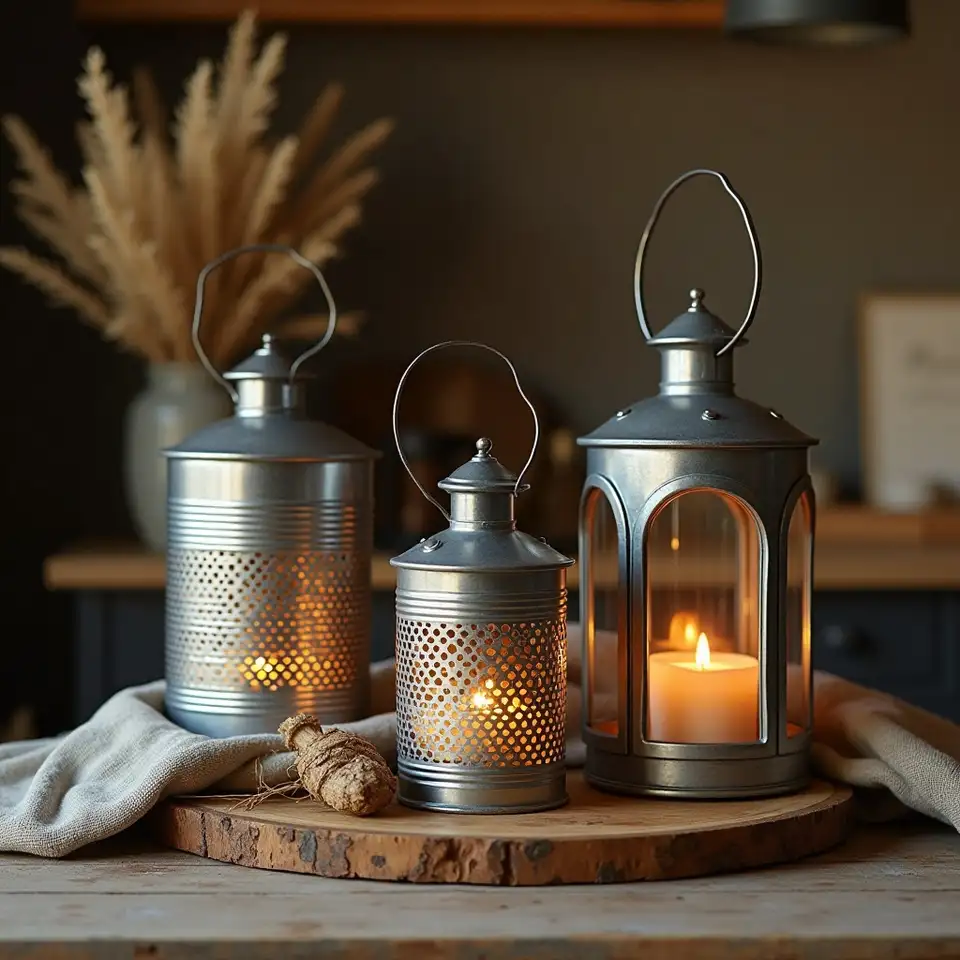
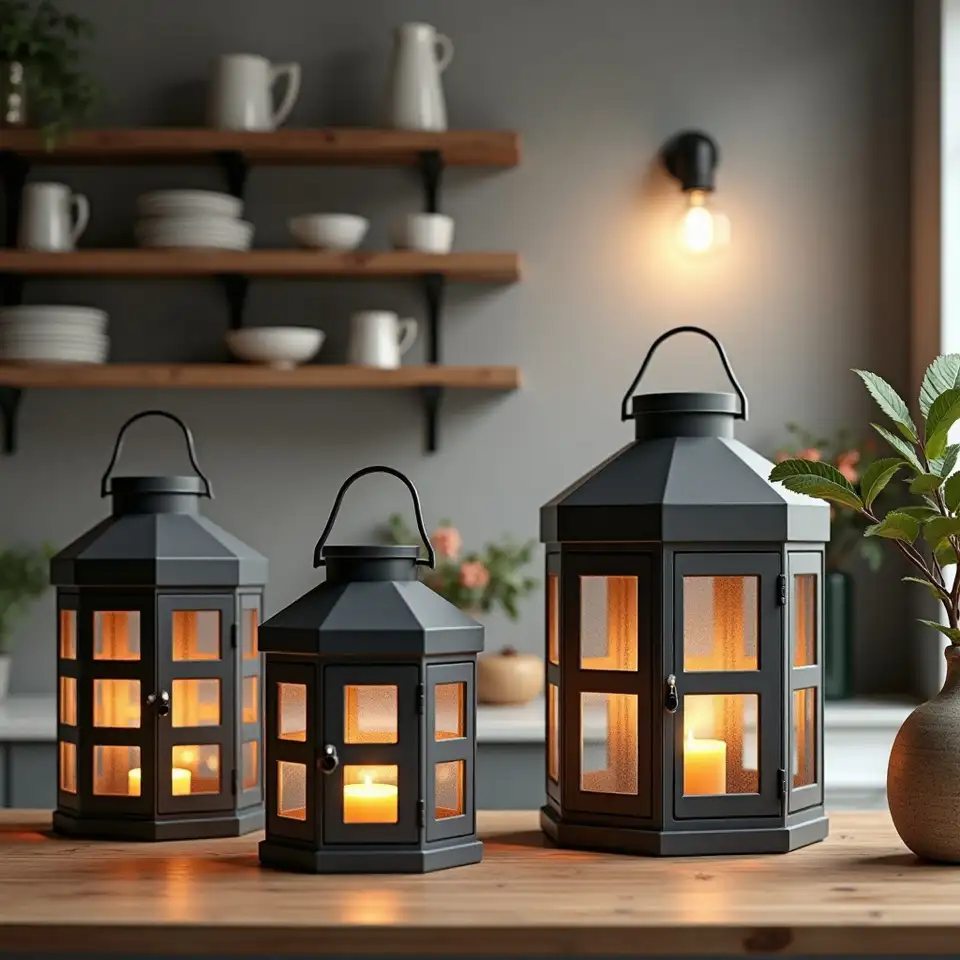
Rustic Farmhouse Lantern Collection
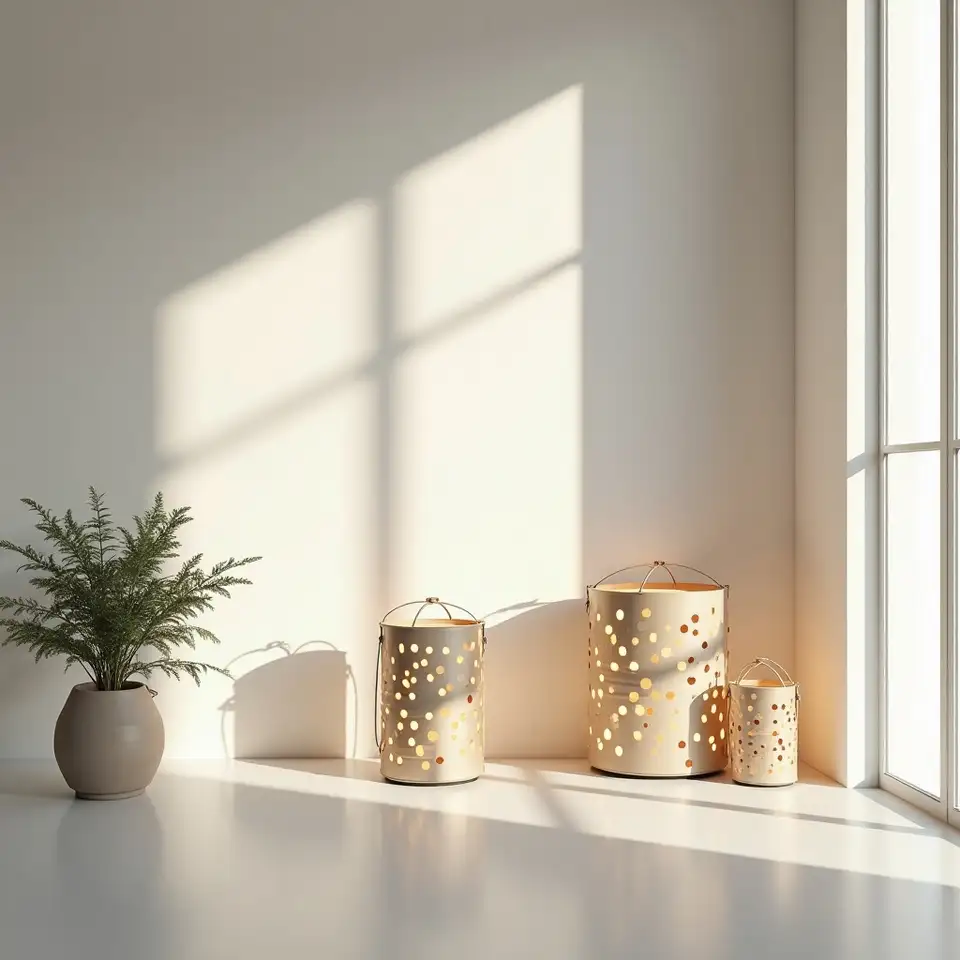
Modern Minimal Geometric Designs
Stripping the pattern back to its barest geometry produces some of the most
striking lanterns I have seen. A single diagonal line of holes running the full
height of a tall, narrow can. A precise grid of equidistant squares. A single
concentric circle repeated three times. In a contemporary interior with clean
lines and neutral walls, these minimal designs project shadows that feel almost
architectural. The key is consistency — every hole the same size, the spacing
exact. The freezing technique is particularly worth using for these, because any
irregularity is far more visible in a sparse pattern than in a complex one.
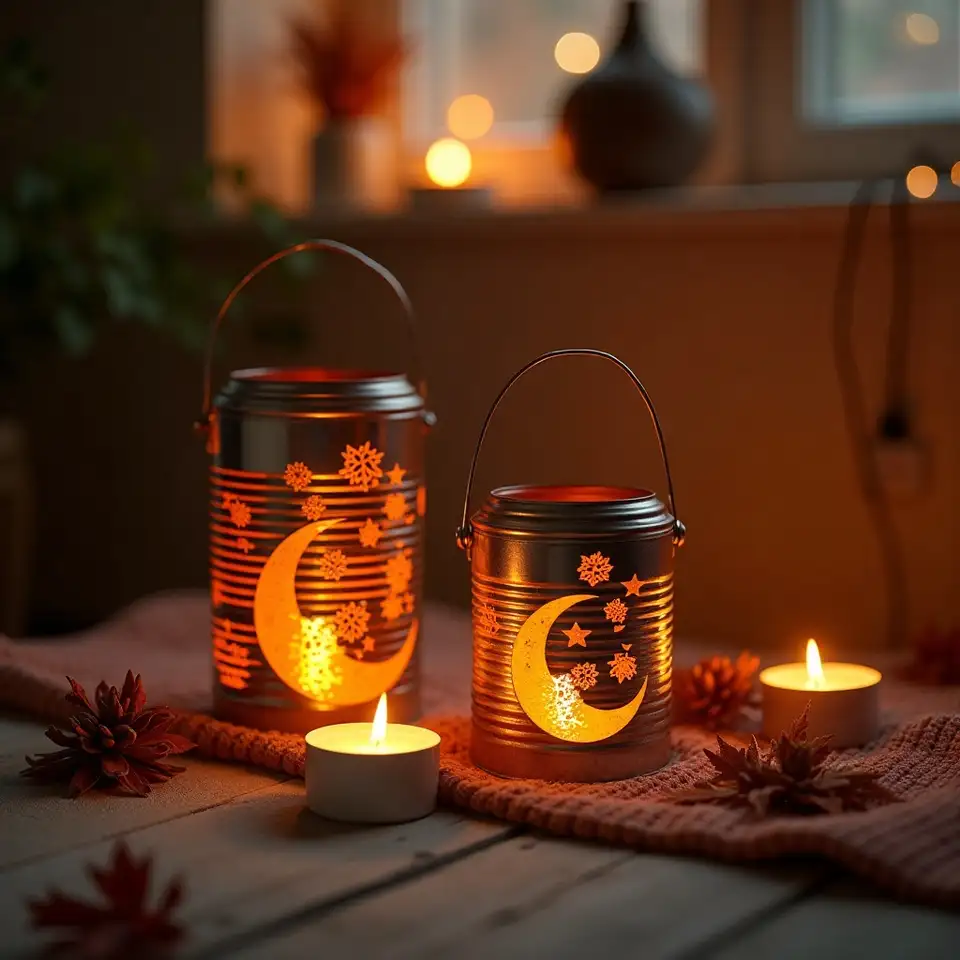
Seasonal Autumn and Winter Warmth
As the evenings cool down — even in Australia, where autumn arrives with more subtlety than drama — there is a particular pleasure in a lantern whose pattern suggests warmth rather than celebration. Leaf outlines, branching tree silhouettes, and crescent moon repeats all work beautifully in this register. These seasonal designs use slightly larger holes than the holiday collection, which lets more light escape and gives the surrounding space a softer, more diffuse glow. Paired with a beeswax candle rather than a paraffin tea light, the effect is genuinely cosy in a way that is hard to achieve with bought lighting.
Community Project Spotlights — Real Makers, Real Results
What Crafters Are Saying About Tin Can Lantern Making
I am not the only person who has been quietly surprised by how much satisfaction a tin can, a
nail, and an afternoon can produce. These are reflections from people across the community —
some beginners who finished their first lantern recently, some who have been making them long
enough to develop a genuine personal style. I find it useful to include critical voices
alongside enthusiastic ones, because honest feedback is more trustworthy than a chorus of
agreement.
I was genuinely sceptical that a food tin and a nail could produce
something worth keeping. My first attempt was imperfect in ways I can
still see when I look at it — the spacing drifts in the lower third of
the pattern because I was rushing and did not use the freezing
technique. I kept it anyway, because the imperfection is part of the
record of learning. My fourth lantern is on my kitchen windowsill and I
consider it properly good. The gap between the first and the fourth was
about six weeks of occasional Sunday afternoons. The tutorials on this
site were the reason I got there rather than giving up after the second
attempt.
Rachel made her first lantern using the basic grid template and the
freezing technique after reading the beginner tutorial section. She now
makes lanterns as occasional gifts for friends and has adapted several
patterns to include initials punched into the design.
- Rachel M., Melbourne
- Hobbyist crafter, started from zero craft experience
The safety section of this site deserves a specific mention because it is written in a way that is genuinely informative rather than either alarmist or dismissive. I have seen craft guides that treat sharp metal and open flames as barely worth mentioning, and I have seen guides that make the whole thing sound like a procedure requiring specialist training. This site threads that correctly — it tells you what to be aware of, explains why each precaution matters rather than just listing rules, and then gets out of the way and lets you make something. That approach made me feel confident rather than nervous, which is the right outcome. My lanterns are now on our outdoor table every evening the weather permits.
James makes lanterns with his teenage daughter and was initially
concerned about combining sharp metal work and candle use in a family
crafting context. He now uses LED tea lights inside lanterns made during
family sessions and switches to real candles for adult-only display
occasions.
- James F., Sydney
- Parent and weekend maker, outdoor living enthusiast
Latest Crafting Trends, Ideas, and Community News
October 2026
Autumn Pattern Collection Now Available
Six new punching templates designed around autumn themes — leaf clusters, branch silhouettes, and crescent moons — are now available to download from the patterns page. Each has been tested across three different can sizes before release.
September 2026
Community Gallery Submissions Open
The inspiration gallery is now accepting reader project submissions for the summer 2026
community spotlight. If you have made a lantern you are proud of, the submission form on
the contact page is the place to start the conversation.
August 2026
Safety Guide Updated for 2026
The candle placement and ventilation safety guide has been reviewed and updated to reflect current Australian consumer product safety guidance. The revised version includes a new section on using LED alternatives in enclosed indoor spaces.
July 2026
New Intermediate Pattern Series Released
Twelve intermediate-level templates have been added to the pattern library, filling the
gap between beginner grids and advanced freeform designs that several community members
flagged as a missing stepping stone in the collection.
June 2026
Winter Lantern Challenge Results Announced
The results of the June community lantern challenge are in, with entries from across
Australia and three other countries. The full gallery of submitted projects has been
added to the inspiration page and will remain accessible throughout the year.
Da
Rachel M., Tom B., Danielle K., James F. Community members subscribed +340
“Each monthly roundup is worth the inbox space — genuinely useful ideas I actually try.”