Handmade Light, One Tin at a Time
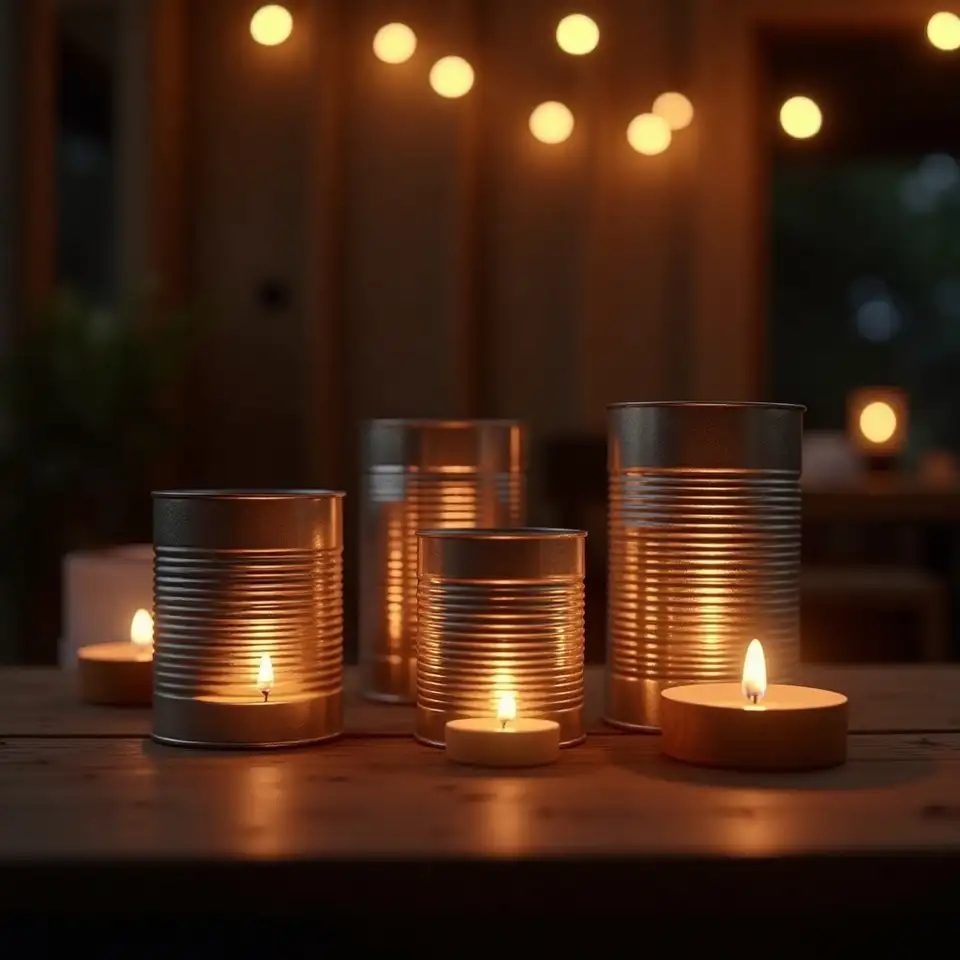
I used to throw tin cans in the recycling bin without a second thought. Now I see each one as a lantern waiting to happen — and I want to show you exactly how I got there.
- From kitchen scraps to glowing decorative lanterns you made yourself
- Step-by-step guidance written for people starting from scratch
- A friendly community built around creativity and sustainability
- Beginners
- Intermediate
- Advanced
-
First Lantern Made 90%$ 5,000.00
-
Patterns Mastered 65%$ 20,000.00
-
Tin Cans Upcycled 55%$ 900,000.00
Where Tin Cans Become Something Wonderful
I started this site after realising that most craft guides assume you already know what you are doing — this one assumes you do not, and that is perfectly fine.
Beginner-Friendly From the Very First Step
Every tutorial assumes zero prior craft knowledge, walking you through tools, techniques and troubleshooting in plain language.
Real Techniques Tested in a Real Kitchen
I do not write about methods I have not tried myself — every pattern and tip has been tested on actual recycled cans before it appears here.
Sustainability at the Heart of Every Project
Upcycling is not just a trend here — it is the whole point. We celebrate turning everyday waste into something genuinely beautiful and useful.
A Crafting Philosophy Built on Curiosity, Patience and Second Chances
Every Beginner Deserves a Guide That Respects Their Starting Point
Upcycling Is Not a Compromise — It Is the Creative Constraint That Makes Things Interesting
There is a persistent idea that recycled materials are second-rate starting points. I disagree. Working with a tin can forces you to think carefully about shape, light, and pattern in ways that a pristine sheet of copper never would. The constraint is part of the craft. When you hold a finished lantern made from something that was heading for the bin, the satisfaction is genuinely different — and I think it is greater.
Safety and Creativity Are Not in Tension — They Reinforce Each Other
Working with sharp metal edges and open flames sounds daunting, and it should be taken seriously. But careful, informed crafting is not the enemy of creative freedom — it is what makes creative freedom sustainable. I include detailed safety notes throughout this site not to frighten you off, but because understanding what you are working with lets you relax and focus on the making. A nervous crafter makes more mistakes than a well-informed one.
The Finished Object Matters Less Than the Process of Making It
What I Stand For
Genuine Creativity
Creativity is not a personality trait you either have or lack — it is a skill you develop through practice. Every project on this site is designed to stretch your thinking incrementally, so that over time you move from following a pattern to inventing your own. I want you to leave each tutorial feeling more capable than when you arrived, not more dependent on instructions.
Thoughtful Sustainability
Sustainability here means something concrete: we start with materials that already exist and would otherwise be discarded. Tin cans are ideal for this — they are structurally robust, widely available at zero cost, and they carry a certain honest character that bought craft materials rarely match. Choosing to upcycle is a small decision with a visible result, and visible results matter.
Radical Inclusivity
Honest Craftsmanship
I will not pretend a technique is easier than it is, or that a result will look professional when it might look charmingly amateur. Honest craftsmanship means describing the actual experience — the bit where the nail slips, the moment the can rolls, the smell of a candle placed slightly too close to the metal. Knowing what to expect lets you handle it calmly when it happens.
Joy in the Making
The finished lantern is lovely. But the hour you spent making it — the focus, the small decisions, the satisfying thunk of a pattern taking shape — that is the real product. I design every tutorial to make the process itself enjoyable, not merely the outcome. If you find yourself losing track of time at your workbench, I consider that a success worth celebrating.
The People Behind the Patterns and the Punches

Maya Thornton, Founder and Lead Maker
Founder, Tutorial Writer, Pattern Designer
Maya started punching tin can lanterns on a rainy weekend and never quite stopped. She writes all the core tutorials and designs the original patterns, testing each one multiple times before publishing. Her approach is methodical — she assumes nothing and explains everything, which is exactly what beginners need. When not at her workbench, she scouts op shops for interesting cans.